Women in diplomacy; Breaking Barriers, Building Bridges
Abu Sufian
Diplomatic Editor
Diplomacy is often described as the art of building bridges between nations. For decades, it was a field dominated by men. But today, women diplomats are increasingly shaping international relations, strengthening partnerships, and helping address some of the world's most pressing challenges.
From the United Nations to bilateral missions across the globe, women are taking on leadership roles and leaving a lasting impact. On the International Day of Women in Diplomacy, we take a closer look at the women representing their countries and organizations in Bangladesh—and how they are helping bring nations closer together.
Behind every diplomatic handshake, policy dialogue, and international partnership lies a story of dedication and leadership.
For women diplomats around the world, diplomacy is more than a profession. It is a commitment to fostering understanding, cooperation, and peace across borders.
Today, as the world observes the International Day of Women in Diplomacy, women serving in Bangladesh are reflecting on both their achievements and the journey that brought them here.
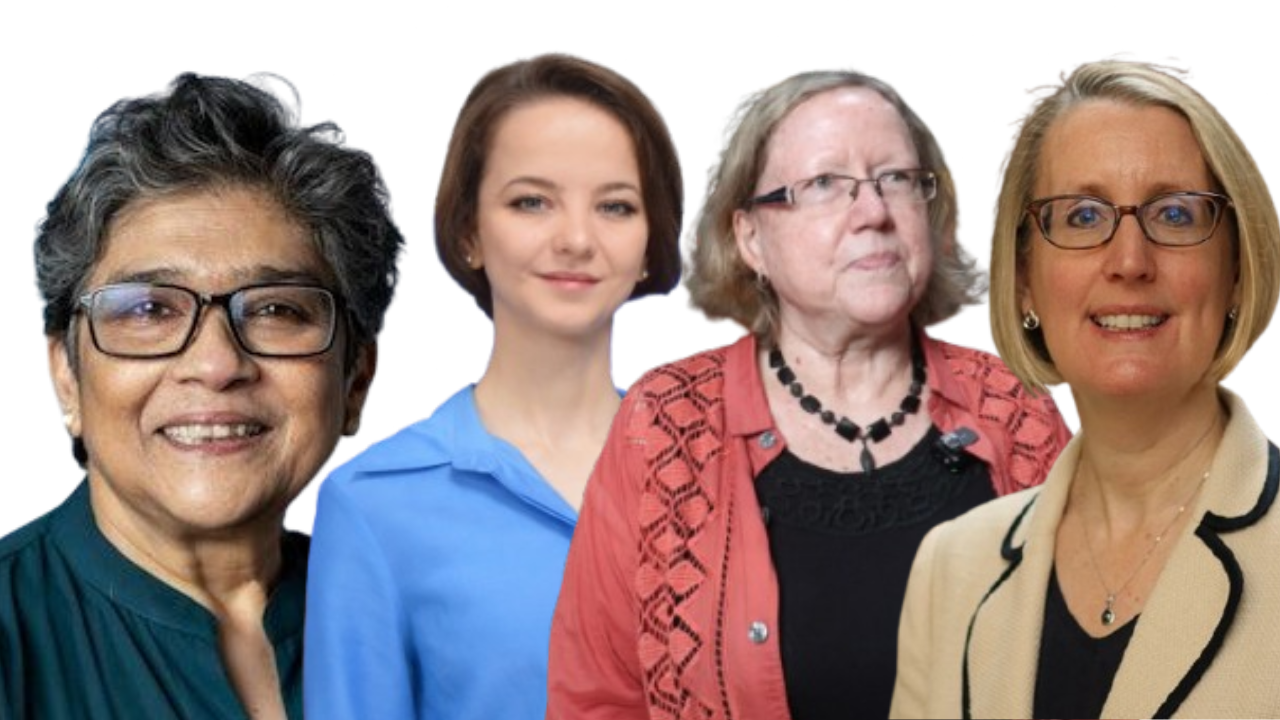
British High Commissioner Sarah Cooke is no stranger to Bangladesh. Having served in the country before, she returned to Dhaka with a deep understanding of its people, culture, and aspirations.
Her diplomatic efforts have focused on strengthening the long-standing partnership between Bangladesh and the United Kingdom, while also promoting cultural exchange and closer people-to-people connections.
For Cooke, diplomacy is not only about government relations—it is also about understanding communities and building trust.
At UNESCO, education, culture, and freedom of expression are at the heart of the organization's mission. Leading those efforts in Bangladesh is Dr. Susan Vize.
Her career journey reflects the growing influence of women within international organizations. From preserving cultural heritage to supporting education reforms and advocating for freedom of expression, her work touches millions of lives.
For her, diplomacy extends beyond conference rooms and official meetings—it is about creating opportunities for future generations.
Thousands of kilometers away from her island nation, Maldives High Commissioner Shiuneen Rasheed is helping strengthen ties between Bangladesh and the Maldives.
Having started her career in the President's Office before joining the Foreign Service, she represents a new generation of women leaders shaping international relations.
Her work focuses on expanding cooperation in tourism, education, trade, and investment, while fostering stronger people-to-people connections between the two countries.
The growing presence of women in diplomacy reflects a broader global transformation.
According to the United Nations, women remain underrepresented in many diplomatic leadership positions worldwide. Yet their numbers continue to grow, bringing diverse perspectives and new approaches to international problem-solving.
In Bangladesh, women diplomats are not only representing foreign nations and international organizations—they are also representing Bangladesh on the world stage.
One such example is Rabab Fatima, who made history as Bangladesh's first female Permanent Representative to the United Nations and now serves as a UN Under-Secretary-General.
Her journey symbolizes the progress women have made in a field once considered out of reach.
From negotiating international partnerships to advancing education, culture, development, and peace, women diplomats are helping shape a more connected world.
Their achievements remind us that diplomacy is not defined by gender, but by vision, leadership, and the ability to bring people together.
As global challenges become increasingly complex, the role of women in diplomacy continues to grow. On this International Day of Women in Diplomacy, their stories stand as powerful examples of leadership, resilience, and service—proving that when women lead, diplomacy becomes stronger and the world becomes more connected.