The Truth Behind Professor Yunus’s Solidarity with the Rohingya
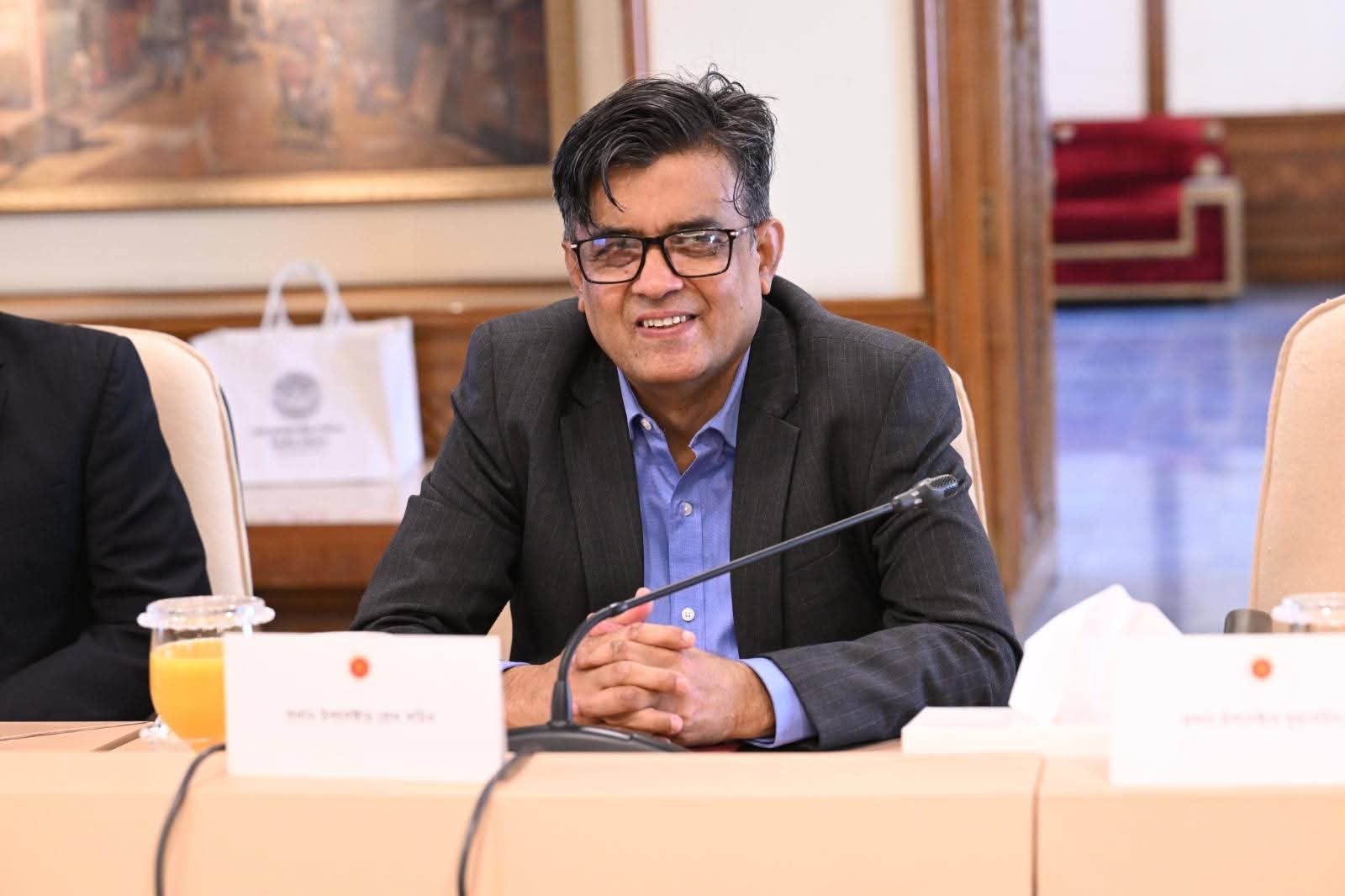
Shafiqul Alam
Former press secretary to CA
In March of last year, the then Chief Adviser, Professor Muhammad Yunus, addressed approximately 100,000 Rohingya refugees at their camps. Later, in April, he extended his heartfelt greetings to the community on the occasion of Eid al-Fitr. In both instances, his message was consistent: he expressed his "prayer" that the more than one million Rohingya sheltered in Bangladesh would be able to celebrate their next Eid al-Fitr in their true homeland.
These statements were warmly received by both the Rohingya people and the international community. Global news outlets particularly noted that the 2006 Nobel Peace Laureate delivered his speech in the Chittagongian dialect—a language closely related to the Rohingya dialect and easily understood by the entire community.
As reported by bdnews24, Professor Yunus’s Eid statement was clear:
"Eid Mubarak to all. As we celebrate Eid safely and joyously, let us remember the more than 1.2 million guests who remain in distress in our country. I pray they will be able to celebrate their next Eid in their own homeland."
Similarly, while standing alongside UN Secretary-General António Guterres in March at a Rohingya camp, he stated:
"We pray to Allah that next Eid, you can return to your homes and celebrate there."
Despite the clarity of these words, enablers of the Hasina regime—those who championed a 16-year campaign of extrajudicial killings and enforced disappearances—have seized upon these speeches. They have attempted to spin a narrative that the former Chief Adviser "bluffed" the Rohingya by "promising" a return to Rakhine by this Eid.
Let the record be clear: Professor Yunus made no such promise. He spoke in terms of hope and prayer. Discredited Hasina bootlickers and the media outlets that once legitimized Hasina's atrocities have seemingly bypassed fact-checking in favor of misquoting a public figure. Following the events of July, these voices have become increasingly irrelevant, finding platforms only within a dwindling circle of pro-regime outlets.
Professor Yunus has been tireless in his efforts to alleviate the plight of the Rohingya. Through sustained diplomatic outreach, he has ensured that aid continues to flow to the camps even as the Trump administration reduced its contributions. His leadership prompted the UN to hold its first high-level conference on the Rohingya crisis during the last UNGA, followed by two additional summits organized by Qatar. Furthermore, for the first time, a direct diplomatic connection was established with the Arakan Army, the de facto rulers of Rakhine.
Professor Yunus would be the first to celebrate if the Rohingya could return home to pray at the graves of their ancestors. While the ongoing civil war in Myanmar has delayed that hope, his prayers—and the prayers of billions—remain steadfast.
Inshallah, the Rohingya people will one day celebrate Eid in Rakhine. When they do, they will surely remember the voice of Professor Muhammad Yunus, who emboldened their resolve and kept the world’s eyes fixed on their struggle.