Can SAARC Rise Again?
Saqlain Rizve
Journalist, The Business Standard
After assuming the chair of head of Bangladesh's interim government on August 8, 2024, following the ouster of former Prime Minister Sheikh Hasina, Nobel Laureate Muhammad Yunus brought the revival of the South Asian Association for Regional Cooperation (SAARC) to the forefront amid ongoing domestic political turmoil and reform efforts.
In an interview in August with Indian news agency PTI, Yunus noted that there should be a revival of the "spirit of SAARC." Yunus mentioned that he would try to meet Indian Prime Minister Narendra Modi on the sidelines of the UN General Assembly session scheduled to be held later this month. He also mentioned that he will try to get the heads of state of SAARC nations together for a photo.
“SAARC was formed for a great cause; it now exists only on paper and is not functioning. We have forgotten the name of SAARC; I am trying to revive the spirit of it," Yunus said. "The SAARC summit has not taken place for quite a long time. If we come together, a lot of problems will be resolved," he added.
However, nine months have passed, and no development has taken place. Instead, South Asia has once again fallen into a deadly conflict since April 2025, following the terrorist attack in Pahalgam, Kashmir, and its aftermath. In the late 1970s, Bangladesh was in political turmoil after Sheikh Mujibur Rahman, who had banned political parties and media to establish a one-party state through BAKSAL, was assassinated along with his family in 1975 by a military faction. After a series of coups, Ziaur Rahman took control, lifting the bans and founding the Bangladesh Nationalist Party (BNP). It was also Zia who introduced the idea of SAARC, inspired by the European Union, to foster social, cultural, and economic cooperation in South Asia. His efforts led to the first meeting of South Asian foreign secretaries in 1981, paving the way for SAARC's formation.
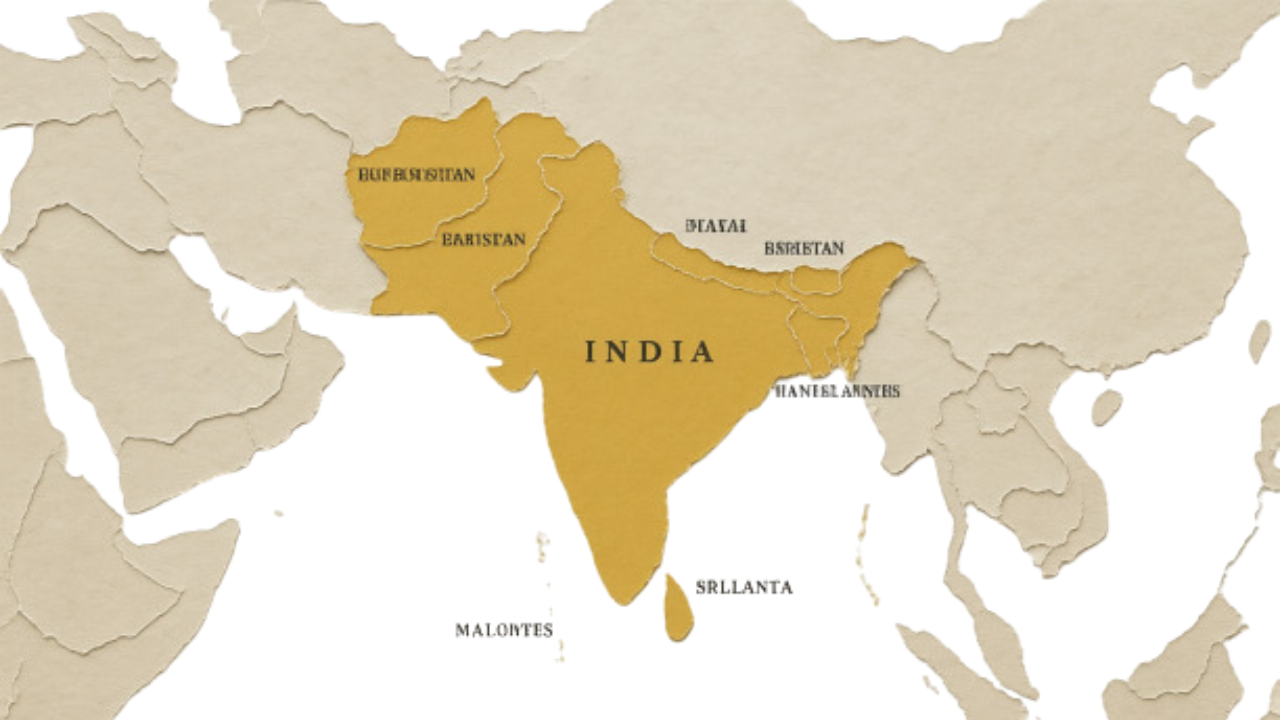
Since its inception in 1985, SAARC has achieved several milestones; among them, the most notable one has been the formation of the South Asian Free Trade Area, popularly known as SAFTA, aimed at strengthening economic cooperation among the member countries that include Bangladesh, Bhutan, India, Maldives, Nepal, Pakistan, and Sri Lanka. In 2007, Afghanistan joined.
The SAFTA agreement was signed during the 12th SAARC Summit in Islamabad in 2004 and came into force on January 1, 2006. The major objective of this agreement was the reduction of tariffs and trade barriers with a view to boosting regional trade. However, many challenges have stood as an obstacle to its full operational impact-from political tensions and gaps in infrastructure to slow progress in tariff reductions-all of which delayed further economic integration across the South Asian region.
Another notable achievement of this organization is intensifying the idea of South Asia. Although the term South Asia was started to be used in the late 1950s however, through SAARC the member nations started to introduce themselves more broadly as South Asian. However, according to Happymon Jacob, associate professor of diplomacy and disarmament at Jawaharlal Nehru University and Founder of the Council for Strategic and Defense Research, a New Delhi–based think tank, discussed in one of his writings (2024) that “the end of South Asia.”
Jacob writes that the end of South Asia as a cohesive regional entity is marked by the diminished relevance of the term "South Asia" and the failure of regional integration efforts, notably through SAARC. He argues that, despite historical and cultural ties, contemporary South Asia is characterized by a lack of regional unity, increasing external influences—particularly from China—and a shift in focus among South Asians and Indian policymakers towards broader geopolitical arenas. Jacob notes, "The dream of a united South Asia is over," illustrating how regional cooperation has faltered amid growing geopolitical competition and internal disinterest. This has led to a fragmented regional identity, with smaller states seeking alternatives to Indian influence and aligning more with external powers like China. Apart from SAFTA and its effort to foster a South Asian identity, a number of other initiatives have seen substantial progress under SAARC. Established in 2010, the South Asian University in New Delhi has turned out to be an opportunity of higher education and research with a student intake from all member countries. The SAARC Development Fund has a corpus of $300 million and has sanctioned finance for hundreds of projects pertaining to poverty alleviation, infrastructure building, and social welfare. In addition, the SAARC Regional Energy Cooperation Program, which was initiated in 2013, espouses the cause of renewable energy and energy efficiency within the region.
After enjoying good cooperation for more than the first two decades, obviously with small ups and downs the fall of this organization started after 2010.
Several factors contributed to this downturn, including the persistent India-Pakistan rivalry, which has often paralyzed the organization. The cancellation of the 19th SAARC summit in 2016, following the Pulwama attack and India's subsequent boycott, marked a significant setback. Along with India, several other countries also boycotted the summit.
These countries included Bangladesh, Bhutan, Afghanistan, and the Maldives. Additionally, the organization's inability to hold regular meetings and summits has further hindered its progress. Moreover, India's hegemonic approach undermined SAARC’s motto. Muhammad Farooq Anwar, Lecturer at Government Graduate College for Boys, Lahore, noted in his 2022 study SAARC and ASEAN: A Comparative Study of Success and Failure that “during the 2007 Delhi summit, the domination of Indian policymakers meant that the outcomes of the summit were below expectations and were effectively hijacked by India.” Anwar also writes that the presence of the Afghanistan President in the 2007 summit and Indian establishment used this forum to malign Pakistan by false propaganda of cross border terrorism & the Afghan President supported Indian narrative, India used this forum to counter the tale of Kashmir and try to convert it into terrorism. India arranged a Press conference of Afghanistan’s President to put pressure on Pakistan and he used undiplomatic language.
These issues clearly intensified a fraction between the India-Pakistan relationship and also hampered the regional relationship of the other member nations. "India has always had concerns about SAARC from the beginning, fearing that regional unity could challenge its hegemony," said Shahiduz Zaman, a former professor of International Relations at the University of Dhaka to the Asian Echoes. While it's true that India has long standing issues with Pakistan, Zaman explained, "India can skip summits hosted by Pakistan if there are
significant security concerns. However, this doesn't justify making the entire organization non-functional for its own regional interests."
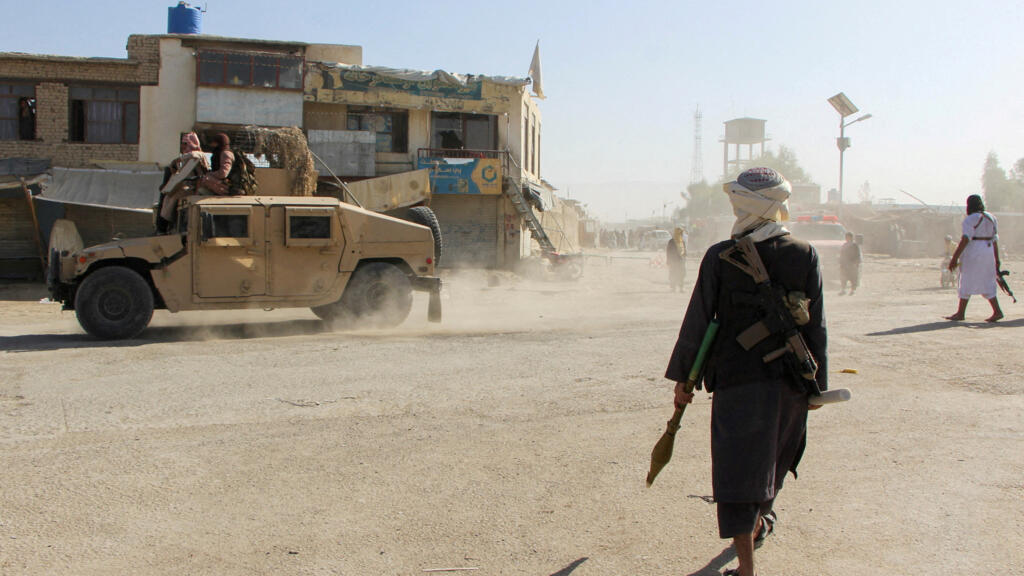
Intra-regional trade also remains low, accounting for only about 5% of total trade in South Asia as of 2018, compared to 25% in ASEAN. Moreover, a series of crises is overwhelming the South Asian region by storm across all the SAARC member nations. Instability still continues in Afghanistan, with a high level of violence and violation of human rights by
the Taliban administration.
In Bangladesh, weeks of anti-government protests came to an end as Prime Minister Sheikh Hasina resigned from the post after 15 years. First sparked off by demands for an end to civil service quotas, the protests mushroomed into a general movement of the citizens. The resultant protests saw 1400 deaths and large-scale unrest. The interim government
form nonetheless, the country is right away dealing with economic struggles such as high youth unemployment and inflation, with a complete collapse of law enforcement.
In Sri Lanka, the worst economic crisis since independence—marked by depleted foreign reserves and severe shortages of essentials—triggered mass protests and led to the resignation of President Gotabaya Rajapaksa in July 2022.
While the country has since shown signs of economic recovery, it remains burdened by significant debt, particularly to China. Governed now by a left-leaning administration, Sri Lanka appears to be tilting closer to Beijing in its geopolitical alignment. Though not overtly
anti-India, its preference for China is becoming more apparent. Despite some stabilization, political and economic challenges persist Pakistan still faces unending turmoil between political and economic crises.
In August, security challenges in the country were underlined by fresh attacks in Balochistan. Protests have further been exacerbated by continuous economic hardships, uncontrollable inflation, and political divisions after the arrest of former Prime Minister Imran Khan. Thousands of people have taken to the streets recently in Islamabad, demanding Khan's release, marking the first major show of strength by his party since the disputed February elections. Additionally, traders across Pakistan observed a daylong strike in late August to protest rising electricity costs and new taxes. Similarly, the Maldives faces internal political tensions and grave threats from climate change that may ultimately submerge much of
the island nation. India faces ethnic violence in Manipur, political instability, job crisis, geopolitical pressure and an economic drain.
Bhutan and Nepal also have their own different challenges. While Bhutan harps on Gross National Happiness, it faces an economic crisis tied to soaring import costs and trade imbalances, whereas political instability and frequent changes in government, economic ills, and natural disasters raise a question mark over the future of Nepal. Moreover, the recent
pro-monarchy deadly protest also heightened the tensions of the future of Nepal.
Apart from these, intraregional migration among South Asians has declined sharply since 1990. Nepali workers, for instance, earlier migrated primarily to India, while currently they prefer the Gulf countries and Malaysia, with India serving largely as a transit point. There is also a recent trend to seek better wages in Australia, Malaysia, the Middle East, Western Europe, and North America by people from the region. The story is not very different in
education, with South Asian students studying largely in India, although numbers have stagnated of late. A 2020 Brookings India report estimated the growth rate of South Asian students in India to decrease from 30% in 2011–12 to 9% in 2018–19. Meanwhile, student migration to China from neighbouring countries increased 176% between 2011 and 2016. Such a shift underlines the obstacles to regional mobility, including strict border
controls.
These instabilities clearly underscore the need for regional cooperation through SAARC as Yunus mentioned. Pakistan has also shown interest in reviving SAARC. However, it's surely going to be a hard task. Before Yunus, Nepal had advocated for the revival of SAARC, making several efforts to reactivate the regional grouping since 2016.
In the meantime Chinese presence has increased manifold in recent times through its Belt and Road Initiative (BRI). For instance, the China–Pakistan Economic Corridor (CPEC), a 3,000 km Chinese infrastructure network project currently under construction in Pakistan, at nearly $62 billion, has secured a firm foothold for China in Pakistan. Similarly, Chinese investments in Sri Lanka, the $1.4 billion Colombo Port City project being one of them-carry debt dependency with questions of sovereignty.
So too does the Maldives feel the presence of more Chinese investment with projects such as the $200 million Sinamale Bridge. While these indeed are beneficial investments in the short term, they often come with strategic implications in the longer run, giving China immense leverage over policies and decisions in these countries.
The United States also has been active in the region trying to counter the growing influence of China. Improved relations with India are epitomized by a $3 billion defense deal signed in February 2020. In its own right, the US has provided over $145 billion in aid to Afghanistan since 2002. While such aid may be given out of a desire to bring stability to that part of the world, it also keeps U.S. interests paramount. This geopolitical tug-of-war between China and the U.S. further complicated the regional dynamics and made it hard for SAARC to foster a unified, cooperative environment. The lack of any cohesive response on the part of SAARC has, therefore, allowed outside powers to shape the region's political and economic landscape to their advantage.
In the meantime, anti-India sentiment in South Asian countries has grown due to the perceptions of hegemonic behavior by India in regional politics. This kind of sentiment gained momentum in countries such as Bangladesh and the Maldive Islands, where "India Out" campaigns gained great momentum.
The ouster of the recent pro-Indian Hasina government has also signaled a shift in the India policy of Bangladesh. Also, Bangladesh and Pakistan ties are getting strengthened.
Critics say India's "big brother" attitude often translates into an interventionist posture seen as undermining the sovereignty of its neighbors. This perceived interference can be attributed to India's support of political factions or blatant interference in internal matters. It has engendered strong resentment. For instance, dominance by India of regional forums, especially on issues of SAARC, muffles the voices of the smaller member states. Growing discontent based on these issues angled some of the South Asian countries to go more closely with other major powers like China, which added more complexity to regional dynamics.
The internal and regional instability within the member countries of SAARC is also an obstacle to regional diplomacy, and the ineffectiveness of this
organization has created a vacuum in which the external powers are more than eager to fill by imposing their influence in this region.
Now the necessity for regional cooperation in South Asia is more pressing than ever, given the myriad of crises facing the region. The success of ASEAN and the European Union (EU) by whom Zia was inspired and brought the plan of SAARC provides valuable lessons on how regional organizations can foster economic growth, political stability, and social progress. Both ASEAN and the EU have managed to overcome significant internal and external challenges through a commitment to regional integration and cooperation.
One of the primary reasons for ASEAN’s success is its focus on economic cooperation and conflict avoidance. Unlike SAARC, which has been
hampered by the India-Pakistan rivalry, ASEAN has managed to sideline contentious issues and prioritize economic integration. This approach has
led to significant intra-regional trade.
Moreover, in today’s world urbanization is seen as a key sign of developed life and most of the countries either suffered from it or are experiencing it.
However, ASEAN has successfully dealt with it through various programs that focus on reducing the overall impact on routine life. ASEAN also
focused on social development, which was not given much importance by the SAARC. Natural parks are another example of the togetherness of
ASEAN states, hum the mutual relationships of member states, and promote participatory development. On the other hand, the community-building approach of ASEAN is also working towards cultural and religious harmony that took a lead in the fight against terrorism.
Another example of success regarding regional integration is that of the EU. The EU has been able to make a regional identity and cooperation on
various economic and political fronts with its strong institutions and sovereignty sharing. SAARC may draw from the emphasis the EU places
on collective decision-making along with the establishment of sound regional institutions. In that respect, strengthening its institutional framework and fostering a sense of South Asian identity can help SAARC work towards greater regional integration.
The need to revive SAARC is all the more underlined by the present geopolitical environment. With the increasing influence that external powers like China and the US have over South Asia, it has surely turned out to be a complex regional dynamic that calls for a unified response. By reviving SAARC, member states will be capable of tackling the usual common challenges such as poverty, unemployment, and climate change collectively and, at the same time, reduce their reliance on external powers in this regard. Moreover, through regional cooperation, the impact of geopolitical competition can be mitigated and a more stable and prosperous South Asia
fostered.
However it will surely require a great deal of political will and commitment by all the member states. The leaders must be ready to create amity
amongst themselves and work for common goals. "Bangladesh made a great decision to revive SAARC, and Pakistan also gave a positive nod to this. I believe Nepal and Bhutan will also support the idea, as they have good relations with China, and their dependence on India is decreasing day by day," Zaman said. “If India doesn't show any interest in the revival of SAARC, I personally believe that the other member states could revive it on their own, excluding India.” Apart from the India-Pakistan relationship and other obstacles mentioned above, another major obstacle is the Taliban of Afghanistan. “Ever since the Taliban took over in Afghanistan, no country has recognized the Taliban regime, which means that theoretically Afghanistan would not be welcome to participate in SAARC deliberations,” said Michael Kugelman, director of the Wilson Center’s South Asia Institute, to The Asian Echoes.
“So the Taliban regime and the India-Pakistan problem, will be major constraints to efforts to revive SAARC. And that's because these are intractable challenges. The Taliban are not going anywhere anytime soon in Afghanistan. They don't really face any threats to their long-term political survival. And meanwhile, the India-Pakistan relationship remains frozen.” He added.
S.D. Muni, a scholar of South Asian studies and professor emeritus at Jawaharlal Nehru University, told The Ambassador, “among the many challenges to reviving SAARC is that China does not want it. They want all South Asian countries to integrate with its economy." He also emphasized that research needs to be revised and connectivity projects must be encouraged to revive the SAARC.
Also Pakistan should not put obstacles in the way of connectivity and should stop supporting terrorism in the region. Muni also denied accusations against India, stating,
"The so-called 'big brother' attitude of India expressed by others is not right; rather, India is an elder brother who helps and leads its other brothers in the region."
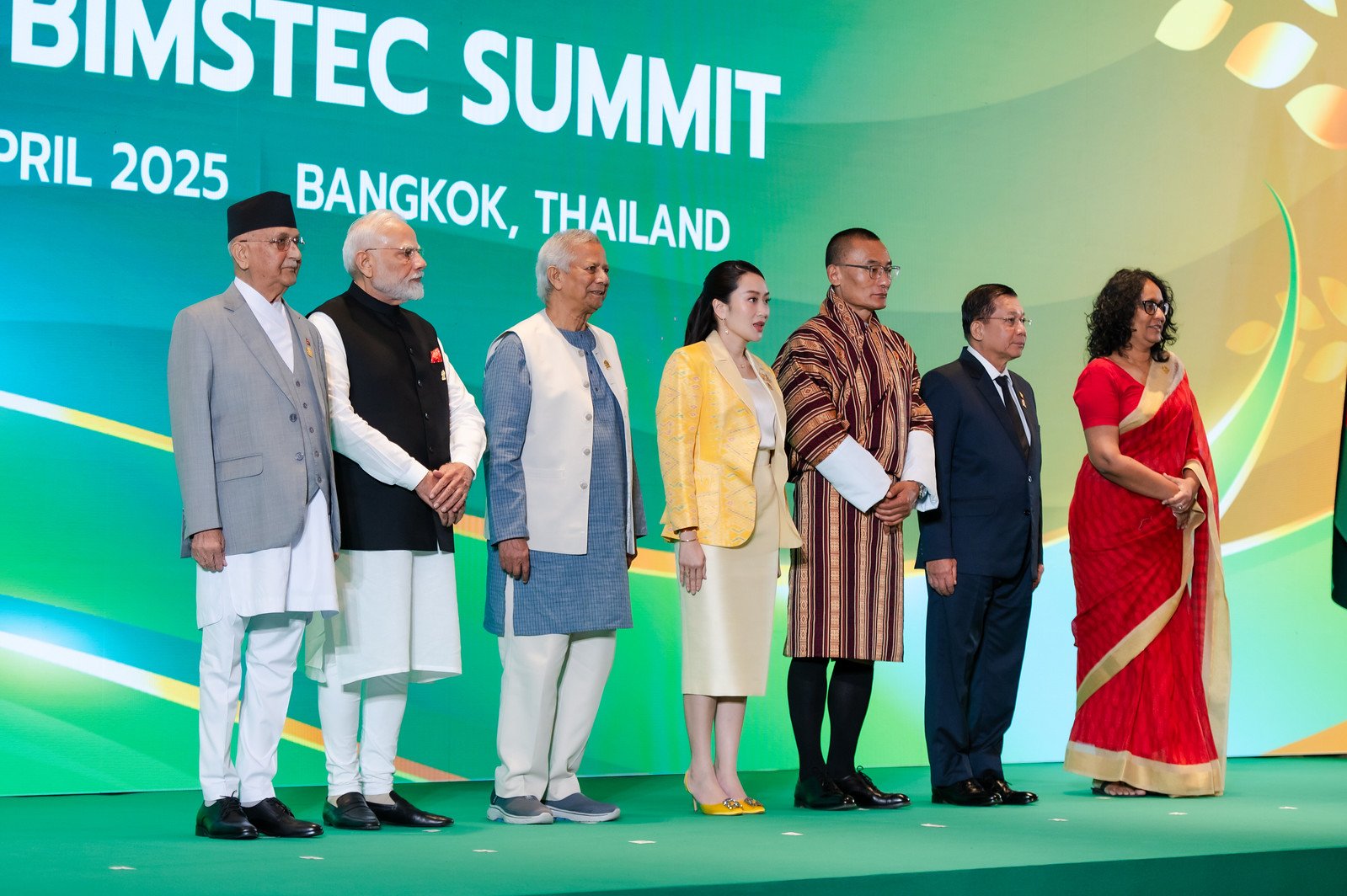
So, the vision for reviving SAARC is ambitious, but faces challenges, especially from the India-Pakistan tensions, which have historically hindered the organization's effectiveness. While SAARC could serve as a platform for multilateral discussions and confidence-building among the eight member states, tensions across the region, along with perceptions of India as a regional hegemon, have further complicated efforts. India’s push for sub-regional organizations like BIMSTEC has created concrete
collaborations but has also undermined SAARC’s unity, as not all SAARC members like Pakistan and Afghanistan are part of these smaller initiatives.
Dr. Rajeev Ranjan Chaturvedy, associate professor and founding coordinator of Centre for Bay of Bengal Studies at Nalanda University also stated that, "India has played its role to make the institution effective." However, according to him other neighbors also need to play a responsible role. India has suffered a lot due to cross border terrorism and territorial conflict with neighbors. These two aspects are major hindrances.
However, Chaturvedy is less optimistic about the revival of SAARC and said, "unless root cause and asymmetrical threat perception is addressed, revival of SAARC is less likely. The political Framework of SAARC is also fragile.
The recent escalation in Indo-Pakistani tensions—triggered by renewed ceasefire violations along the Line of Control, diplomatic spats at the UN, and India’s firm stance on cross-border terrorism—has once again reminded the region of the fragility of SAARC’s foundations. Any hope of reviving SAARC seems increasingly unrealistic as long as the two largest member states remain locked in hostility, with bilateral issues seeping into multilateral platforms. This lingering conflict not only undermines trust but also paralyzes the consensus-driven structure of SAARC, effectively
freezing any substantial cooperation.
Moreover, in an age where global politics is being reshaped by aggressive economic nationalism, such as President Donald Trump’s tariff-first diplomacy that has shaken even long-standing alliances, South Asia’s disunity renders the region more vulnerable. A fragmented South Asia stands no chance in confronting global challenges like protectionist trade regimes, climate change, and pandemics, all of which require unified regional strategies.